Easy Roasted Tomato Sauce: The Simplest Way To Use Fresh Tomatoes
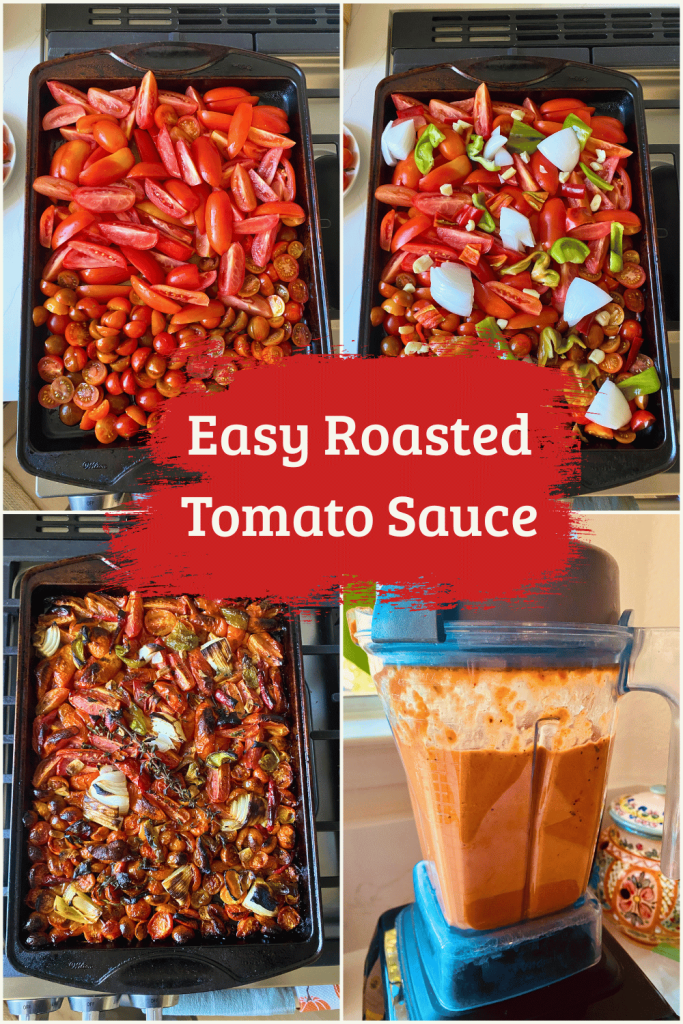
Not too long ago, I made an easy roasted tomato sauce using fresh tomatoes, peppers, and onions from my garden. This homemade tomato sauce is roasted—all on one sheet pan. The recipe is simple: chop the vegetables, roast them, and blend them. It is so easy to make. There's no need to peel the tomatoes!
If you have an abundance of garden tomatoes (from your small or large garden) or bought some from the farmers' market or the grocery store (even if it's the end of the season), this simple oven-roasted method is a delicious way to use them. I'll show you how to make a flavorful no-peel tomato sauce with very little hands-on work.
Ingredients for Roasted Tomato Sauce
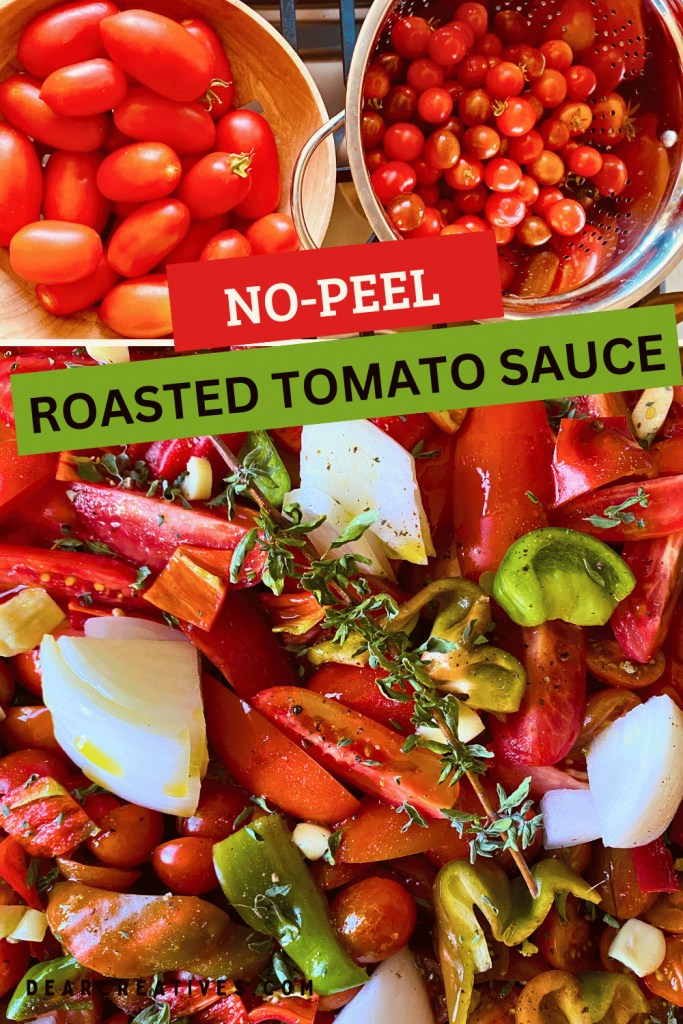
- 5 to 6 pounds of ripe tomatoes, such as Roma, cherry, and slicing tomatoes (enough to fill two large colanders).
- 1 large White onion
- 2 Bell peppers
- Garlic cloves, peeled and halved
- Fresh Oregano Sprigs
- Spices: garlic, pepper, salt blend
- Jalapeño peppers or Italian peppers, seeded and sliced (optional)
- Olive Oil
- Water as needed for thinning the sauce.
The yield is approximately 4-6 cups of sauce.
This recipe is flexible, so the tomatoes do not need to be measured precisely. Use enough prepared tomatoes to fill your sheet pan without overcrowding it. Final yield will vary depending on the tomato varieties and their water content. And for the garlic cloves, add them to your taste preference. For reference, I used at least 6.
This recipe is forgiving and can match your harvest. Or use up tomatoes you have purchased.
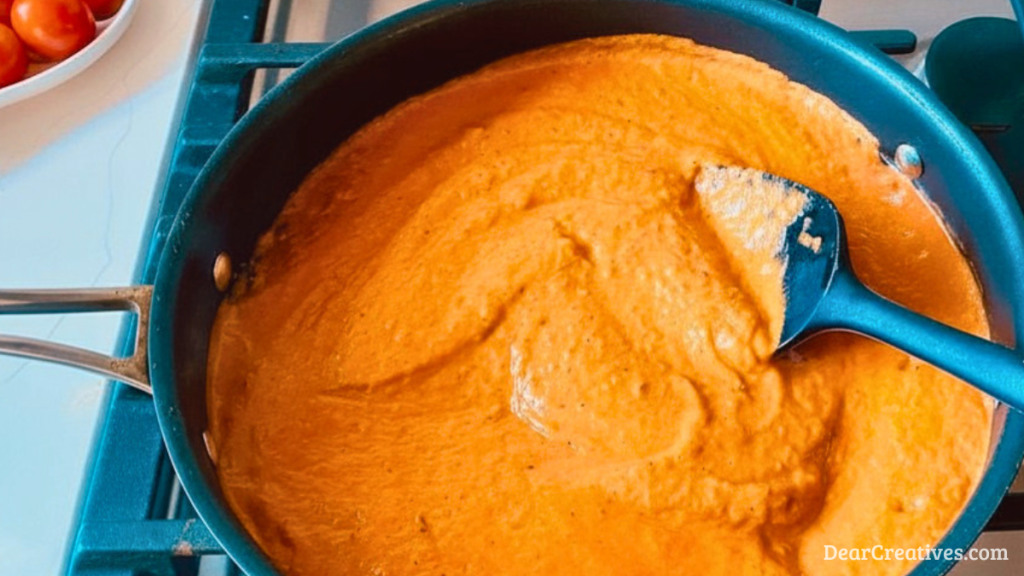
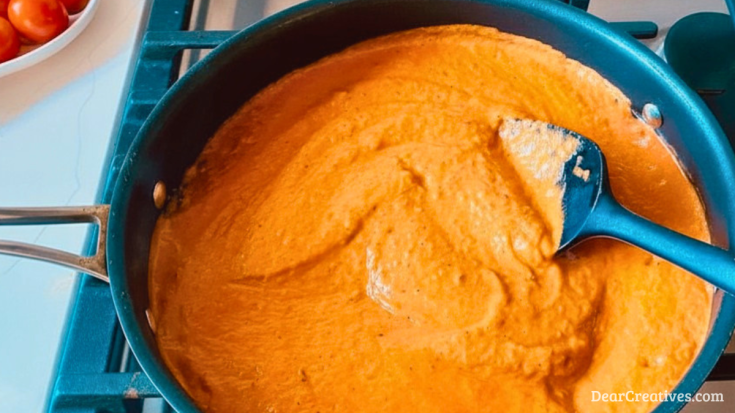
Why is the sauce orange? Fresh roasted tomato sauce may look orange-red after blending rather than the deep red of canned tomato sauce. More about that later in the post; see FAQ section.
What are the Best Tomatoes for Homemade Tomato Sauce?
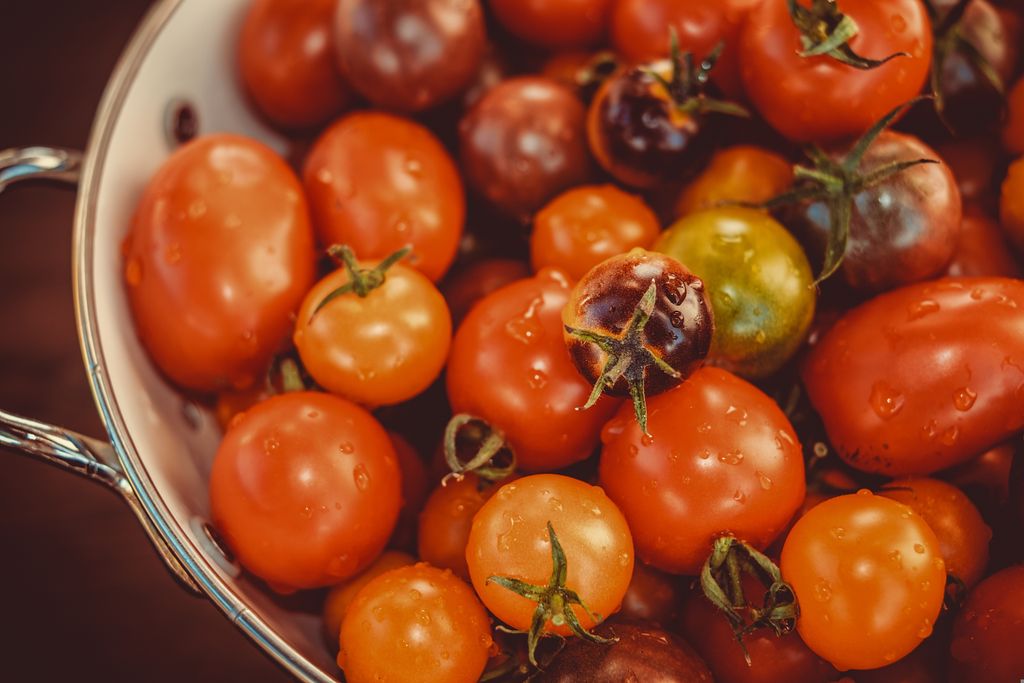
Roma tomatoes are one of the best choices for homemade tomato sauce because they are meaty, flavorful, and contain less water than other varieties. Cherry tomatoes add sweetness, while larger garden or slicing tomatoes contribute to plenty of fresh tomato flavor.
This year I grew chocolate cherry tomatoes along with another cherry tomato variety. The chocolate cherry tomatoes are unbelievably sweet and have a hint of cocoa (the cocoa hint is undetectable in the sauce). They're the perfect addition to this garden tomato sauce.
You don't need a specific variety—a combination of ripe tomatoes works well. If your tomatoes are especially juicy, the sauce may need a little extra roasting or simmering to thicken it. In my case, I had to add a little water to thin the sauce.
How To Make Oven Roasted Tomato Sauce
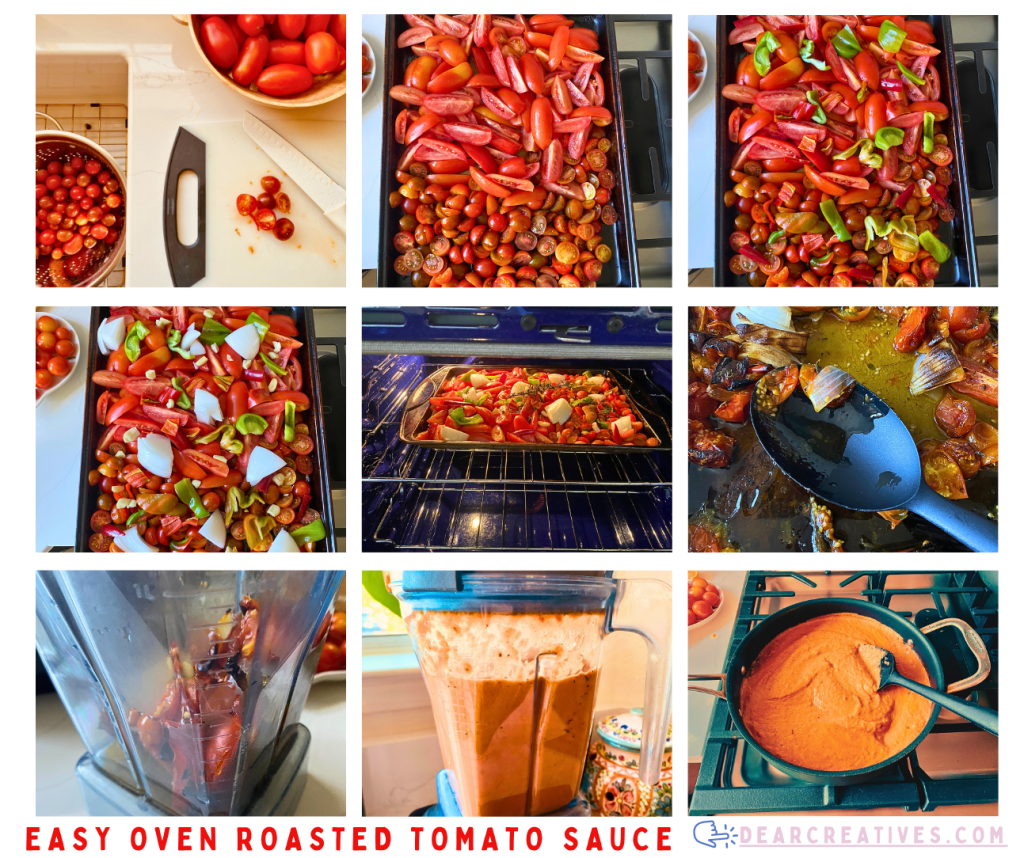
- Preheat the oven to 425°F. Wash and cut larger tomatoes into quarters and smaller tomatoes in half. Peel and quarter the onion. Wash the bell peppers, remove the stem and seeds, and cut into thick slices.
- Lightly coat a large rimmed sheet pan with olive oil. Arrange the tomatoes, onion, and bell pepper on the pan. Season the vegetables and drizzle them with more olive oil. Toss gently to coat.
- Add the garlic cloves and hot peppers to the sheet pan with the tomatoes, onion, and bell pepper. Use as much hot pepper as you prefer, or omit it for a mild sauce. Add fresh oregano sprigs if using them.
- Roast for 40-50 minutes, stirring once halfway through, until the vegetables are soft and the tomatoes have released their juices. The edges of the tomatoes, peppers, and onions should be lightly browned. Begin checking after 35 minutes, as cooking time will vary depending on the size and moisture content of the tomatoes.
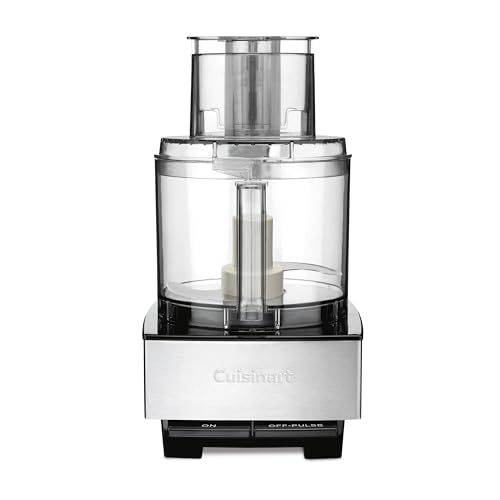
- Allow the roasted vegetables to cool slightly. Carefully transfer the vegetables (I use a large spoon like this) and their juices to a blender or food processor, then blend until the sauce reaches your preferred consistency.
After blending, use the sauce immediately or allow it to cool before storing. To serve, pour the sauce into a pan and warm it over medium-low heat. If it is thicker than you prefer, stir in a small amount of water until it reaches your desired consistency. If the sauce is too thin, let it simmer uncovered until it thickens. Taste and add more seasoning as needed.
Tips for Making The Best Roasted Tomato Sauce
- Use ripe tomatoes. Any variety will work. Add a variety of tomatoes so it gives the sauce a more balanced flavor.
- Cut the vegetables into similar-sized pieces. This helps everything roast evenly. Leave cherry tomatoes in halves and cut larger tomatoes into quarters.
- Use a rimmed sheet pan. The tomatoes will release plenty of juice as they roast, so avoid using a flat baking sheet.
- Pepper heat can vary considerably. For the heat, remove the seeds and white membranes; for more heat, leave some intact.
- Don't discard the juices. Transfer the flavorful juices from the sheet pan to the blender along with the roasted vegetables.
- Use caution when blending. Let the vegetables cool slightly, leave plenty of room at the top of the blender when blending, and avoid sealing very hot ingredients in a blender. Blend in batches if necessary.
- Adjust the consistency after blending. Add a little water if the sauce is too thick, or simmer it uncovered if it is too thin.
- Taste before adding more seasoning. Roasting concentrates the vegetables' flavors, so blend the sauce first and then make any final seasoning adjustments.
On the first day, we made spaghetti noodles to have with the roasted tomato sauce. Then on the second day I made eggplant Parmesan! It was so delicious. I hope you get to make some soon.
Easy Roasted Tomato Sauce
Ingredients
- 5 to 6 pounds of ripe tomatoes, such as Roma, cherry, and slicing tomatoes (enough to fill two large colanders).
- 1 large White onion
- 2 Bell peppers
- Garlic cloves, peeled and halved
- Fresh Oregano Sprigs
- Spices: garlic, pepper, salt blend
- Jalapeño peppers or Italian peppers seeded and sliced (optional)
- Olive Oil
- Water as needed for thinning the sauce.
Instructions
How To Make Roasted Tomato Sauce
- Preheat the oven to 425°F. Wash and cut larger tomatoes into quarters and smaller tomatoes in half. Peel and quarter the onion. Wash the bell peppers, remove the stem and seeds, and cut into thick slices.
- Lightly coat a large rimmed sheet pan with olive oil. Arrange the tomatoes, onion, and bell pepper on the pan. Season the vegetables and drizzle them with more olive oil. Toss gently to coat.
- Add the garlic cloves and hot peppers to the sheet pan with the tomatoes, onion, and bell pepper. Use as much hot pepper as you prefer, or omit it for a mild sauce. Add fresh oregano sprigs if using them.
- Roast for 40-50 minutes, stirring once halfway through until the vegetables are soft and the tomatoes have released their juices. The edges of the tomatoes, peppers, and onions should be lightly browned. Begin checking after 35 minutes, as cooking time will vary depending on the size and moisture content of the tomatoes.
- Allow the roasted vegetables to cool slightly. Carefully transfer the vegetables (I use a large spoon like this) and their juices to a blender or food processor, then blend until the sauce reaches your preferred consistency.
After blending, use the sauce immediately or allow it to cool before storing. To serve, pour the sauce into a pan and warm it over medium-low heat. If it is thicker than you prefer, stir in a small amount of water until it reaches your desired consistency. If the sauce is too thin, let it simmer uncovered until it thickens. Taste and add more seasoning as needed.
Notes
- You don't need a specific variety—a combination of ripe tomatoes works well. If your tomatoes are especially juicy, the sauce may need a little extra roasting or simmering to thicken them.
- This recipe is flexible, so the tomatoes do ot need to be measured precisely. Use enough prepared tomatoes to fill your sheet pan without overcrowding it. Final yield will vary depending on the tomato varieties and their water content.
- This recipe is forgiving and can match your harvest.
Recommended Products
As an Amazon Associate and member of other affiliate programs, I earn from qualifying purchases.
-
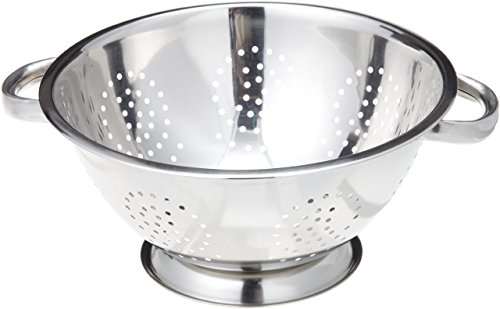 ExcelSteel Heavy Duty Handles and Self-draining Solid Ring Base Stainless Steel Colander, 5 Qt, Stainless (Pack of 1)
 -
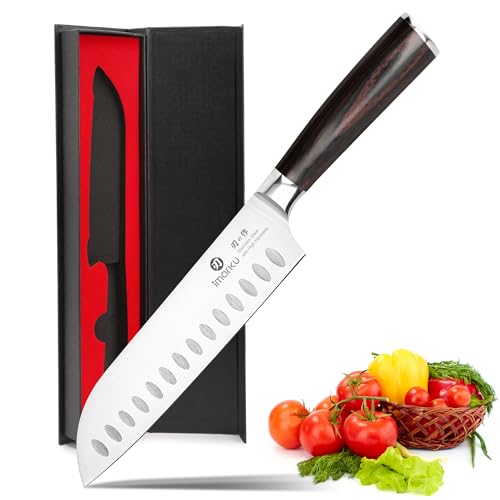 imarku Santoku Knife 7 Inch with Sharp Japanese High Carbon Stainless Steel
 -
 EDELHAUS Acacia Wood Cutting Boards for Kitchen Set of 3, Juice Groove
 -
 Wilton Platinum Non-Stick Large Baking Sheet, Made Without PFAS, 11x17 in.
 -
 Pompeian Smooth Extra Virgin Olive Oil - 68 fl oz (2 L)
 -
 Vitamix Propel Series 750 Professional-Grade Blender, 4 Programs, Black
 -
 Cuisinart Contour Hard Anodized 5 Quart Sauté Pan w/Helper Handle & Cover
 -
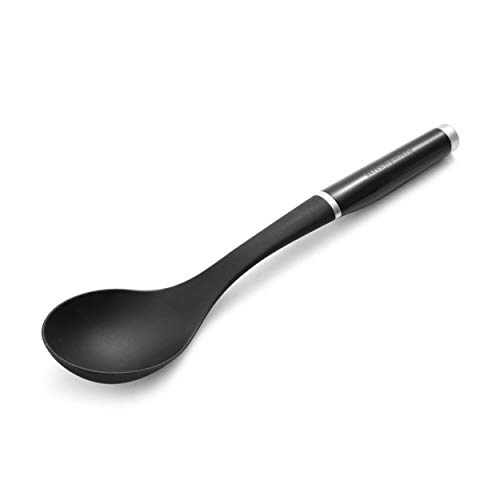 KitchenAid KE003OHOBA Classic Basting Spoon, One Size, Black
 -
 Cuisinart Saute Pan, PurelySear Hybrid, Stainless Steel, 5 Qt
 -
 Armrouns Silicone Spatula Spoon, 11.2" Heat Resistan Rubber Spoonula, Black Non-Stick Spootula with Seamless, Flexible Scrapers for Baking Mixing Serving, Stirring. (Large 11.2)
Nutrition Information
Yield
8Serving Size
1/4 cupAmount Per Serving Calories 27Total Fat 0gSaturated Fat 0gUnsaturated Fat 0gSodium 5mgCarbohydrates 6gFiber 1gSugar 3gProtein 1g
Not all nutritional information is always 100% accurate.
Frequently Asked Questions
What are the best tomatoes for roasted tomato sauce?
Roma and plum tomatoes make a thick, flavorful sauce because they contain less water. However, you can use any ripe tomatoes, including cherry, grape, beefsteak, or garden tomatoes. A mixture of varieties also works well.
Do I need to peel tomatoes before making sauce?
No. Roasting softens the tomato skins, and blending creates a smooth sauce without peeling. For an extra-smooth texture, blend the sauce thoroughly or pass it through a fine-mesh strainer.
Can I freeze roasted tomato sauce?
Yes. Let the sauce cool completely, then transfer it to freezer-safe containers, leaving room for expansion. Freeze it in portions so you can thaw only what you need.
How long does homemade tomato sauce last in the refrigerator?
Store the cooled sauce in an airtight container in the refrigerator and use it within four to five days.
Why is my roasted tomato sauce watery?
Some tomato varieties contain more water than others. Note: You can roast the vegetables a little longer or simmer the blended sauce on the stove until it reaches your preferred consistency.
Why is my homemade tomato sauce orange instead of red?
Fresh roasted tomato sauce may look orange-red after blending rather than the deep red of canned tomato sauce. Blending incorporates air and emulsifies the olive oil with the tomato juices, creating a lighter color. The onions, garlic, peppers, and tomato flesh can also lighten the sauce. This is completely normal. The color may deepen as the sauce rests or simmers.
What can I make with roasted tomato sauce?
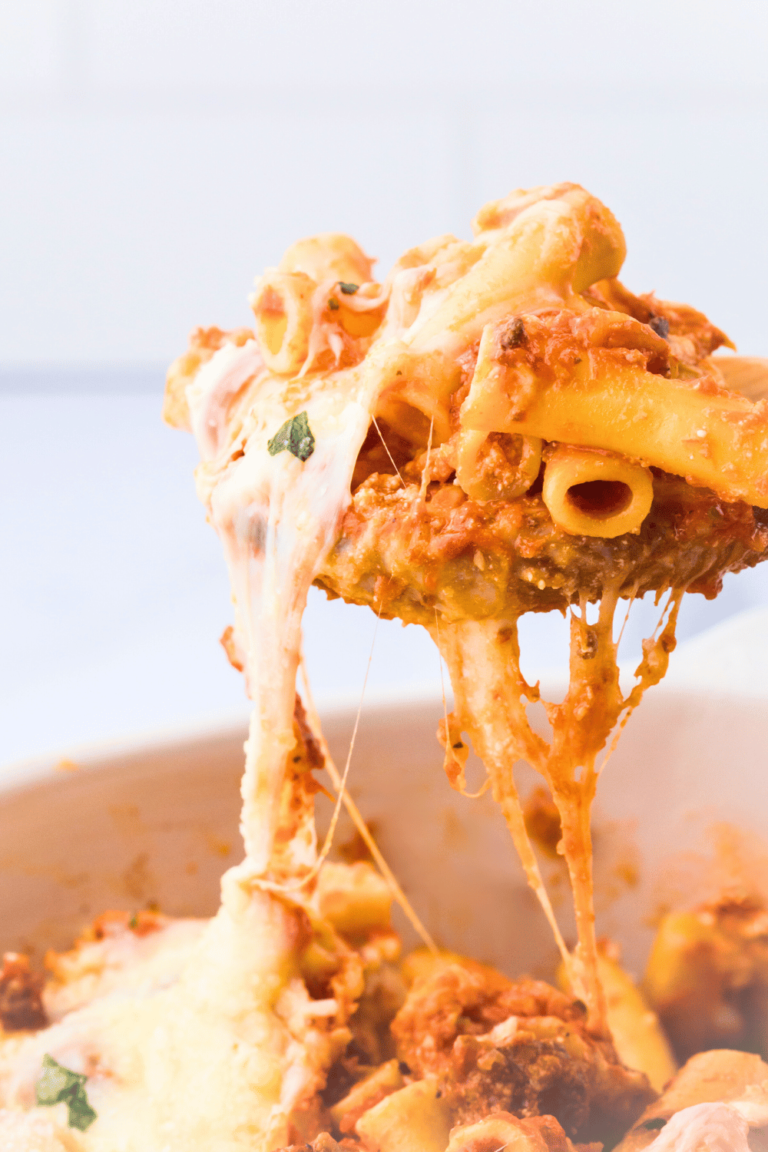
Use it with pasta, pizza, lasagna, meatballs, chicken Parmesan, eggplant Parmesan, soups, casseroles, or anywhere you would normally use tomato sauce.
- New here? Be sure to Subscribe to get your free printable Recipe Binder and helpful cooking resources—plus easy recipes and new posts delivered to your inbox. After signing up, you'll be taken directly to the Recipe Binder and receive the link by email so you can save it for later. And get the access code to our free Subscriber Library.
- Don't forget to Pin it for Later
- Follow us on Pinterest
- Shop our favorites on Amazon
More Recipes With Tomato Sauce
- Ragu Pasta Sauce
- Pumpkin Pasta Sauce
- Homemade Pasta Sauce Recipe
- Easy Chicken Parmesan
- Pasta Dinner Recipes